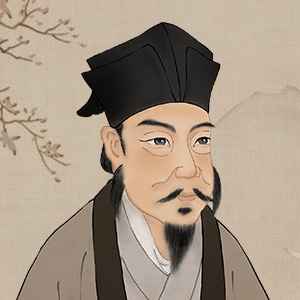
Zhang Ruoxu
张若虚
- 分类: 语言文学
- ID: 1867041524843069441
Home CategoryLiteratureZhang RuoxuPlay6 minsZhang Ruoxu (670-730) was a prominent Chinese poet from Yangzhou during the early Tang Dynasty (618-907). He is best known for his poem Spring River in the Flower Moon Night, a unique and influential work reflecting the cultural and literary peak of the Tang era.ShareCatalogue1. Early Life and Historical Context2. Literary Contributions3. Influence and Interpretations4. Modern Celebrations and Adaptations5. The Memorial Hall of Zhang Ruoxu6. Zhang Ruoxu's Poetic Style7. Thematic Exploration in Spring River in the Flower Moon Night8. Artistic Interpretations and Cultural Events
Early Life and Historical Context
Zhang Ruoxu was a renowned Chinese poet from Yangzhou, who lived during the early Tang Dynasty (618-907). He was believed to live between 670 and 730, a period when Chinese culture and literature flourished under the Tang rule. The Tang Dynasty is often regarded as a high point in Chinese civilization, marked by notable achievements in poetry, painting, and sculpture. Zhang Ruoxu's contribution to this era is significant, primarily due to his famous poem Spring River in the Flower Moon Night (Chun Jiang Hua Yue Ye), which is considered one of the most unique and influential works from the Tang period.
Literary Contributions
Zhang Ruoxu's most celebrated work, Spring River in the Flower Moon Night, is a cornerstone of classical Chinese poetry. This poem is noted for its vivid imagery and emotional depth, depicting a serene and picturesque evening by the river, illuminated by moonlight. The poem's themes include the passage of time, the transient nature of life, and the beauty of the natural world. Its lyrical quality and philosophical undertones have earned it a lasting place in Chinese literary history. This work, along with the poems of his contemporaries, helped establish the Tang Dynasty as a golden age of Chinese poetry.
Influence and Interpretations
The impact of Zhang Ruoxu's poetry extends beyond literature into other art forms. His poem Spring River in the Flower Moon Night has inspired numerous adaptations and interpretations in music, dance, and visual arts. For instance, it has been transformed into a signature pipa piece of the Chinese classical repertoire, demonstrating the poem's versatility and enduring appeal. The themes of the poem resonate with various art forms, providing a rich source of inspiration for artists seeking to explore the intersection of nature, emotion, and philosophy.
Modern Celebrations and Adaptations
In contemporary times, Zhang Ruoxu's work continues to be celebrated and interpreted through various cultural events and artistic endeavors. His poem has been a focal point of concerts and performances that blend traditional Chinese music with modern compositions. Events such as symphony concerts themed on Tang Dynasty poetry frequently feature Zhang Ruoxu's work, helping to introduce his poetry to new audiences and ensuring its relevance in today's cultural landscape. These events not only honor Zhang Ruoxu's contributions but also highlight the timeless nature of his themes and the universal appeal of his poetic vision.
The Memorial Hall of Zhang Ruoxu
The Zhang Ruoxu Memorial Hall, located in Yangzhou, Jiangsu province, serves as a cultural and historical site dedicated to the life and work of the poet. It is a prominent attraction for tourists and locals, providing insights into the poet's influence and the historical context of his time. Visitors to the memorial hall can experience the recreated river scenes from Zhang Ruoxu's poetry, along with exhibits that celebrate the city's rich cultural heritage. This memorial is part of a broader effort to preserve and promote the legacy of classical Chinese literature and its continued relevance in modern society.
Zhang Ruoxu's Poetic Style
Zhang Ruoxu's poetry is distinguished by its lyrical beauty and contemplative tone. His ability to capture the ephemeral beauty of nature and convey profound philosophical ideas through vivid imagery and elegant language is a hallmark of his style. The use of natural motifs, such as rivers, moonlight, and flowers, serves as a metaphor for broader existential themes, reflecting the poet's introspective and meditative approach. Zhang Ruoxu's work exemplifies the Tang Dynasty's emphasis on harmony between humans and nature, a theme that resonates deeply with contemporary audiences.
Thematic Exploration in Spring River in the Flower Moon Night
Spring River in the Flower Moon Night explores themes of transience, the cyclical nature of life, and the interconnectedness of all things. The poem's portrayal of a tranquil river under the moonlight evokes a sense of serenity and introspection, encouraging readers to reflect on the passage of time and the fleeting nature of existence. Zhang Ruoxu's use of evocative imagery and subtle emotional undertones invites readers to engage with the poem on both an intellectual and emotional level, making it a timeless piece of literary art.
Artistic Interpretations and Cultural Events
Zhang Ruoxu's work has inspired various artistic interpretations and cultural events that celebrate his contributions to Chinese literature. These include musical adaptations, dance performances, and visual art exhibitions that draw on the themes and imagery of his poetry. Such events serve to preserve and promote the legacy of Zhang Ruoxu, introducing his work to new generations and ensuring its continued relevance in a rapidly changing world. By fostering a deeper appreciation for classical Chinese literature, these cultural endeavors contribute to a greater understanding of the rich cultural heritage of the Tang Dynasty. Article reference1. Blossoms on a Moonlit River in Spring. chinaservicesinfo.com. 20242. Tourists to Yangzhou to receive free tour of historical sites. seeyangzhou.com. 2021Photo Gallery(3 pictures)CategoriesLiteratureTagHistorical FiguresChinese PoetryCatalogue1. Early Life and Historical Context2. Literary Contributions3. Influence and Interpretations4. Modern Celebrations and Adaptations5. The Memorial Hall of Zhang Ruoxu6. Zhang Ruoxu's Poetic Style7. Thematic Exploration in Spring River in the Flower Moon Night8. Artistic Interpretations and Cultural Events- - - []








